A Review of the Open Book with Butterflies Embroidery Design
As a professional embroidery designer, I constantly evaluate digital designs for their real-world application. Today, I’m looking at the Open Book with Butterflies machine embroidery design from Creative Fabrica, considering it for upcoming customer projects. This isn’t just about aesthetics; it’s about whether a file translates into a quality, sellable product.
First Impression: A Design Full of Storytelling Potential
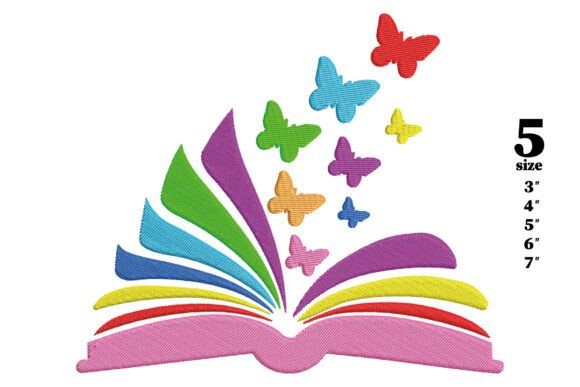
The immediate mood of Open Book with Butterflies is whimsical and imaginative. It’s more than a simple graphic; it’s a scene. This gives it a strong decorative appeal for products meant to convey creativity, learning, or a gentle, artistic vibe. For embroidery designers targeting a niche like nursery decor, teacher gifts, or literary-themed merchandise, this design has inherent personality. It naturally fits projects like pillow covers, baby blankets, and tote bags intended as thoughtful, handmade gifts.
Project Fit: Where This Design Shines in Commercial Use
Let’s break down where I envision using Open Book with Butterflies in a real workflow. For custom apparel like sweatshirts or aprons, it serves as a central, decorative motif. Its scene-like composition makes it suitable for Etsy listings and craft fair products where visual storytelling adds value. As an embroidered patch, it could be a standout item, though the detail level needs careful consideration. For kitchen towels or pillow covers, it offers a way to elevate simple home goods into boutique merchandise.
In product photography and printable mockups, this design provides a strong focal point, aiding customer engagement. Its appeal can enhance the perceived value of a finished product, supporting brand consistency for shops specializing in whimsical or educational themes.
Practical Performance on Fabric and Hoop
Moving beyond the screen, the real test is how Open Book with Butterflies stitches out. Without knowing specific file details like stitch count, my general advice for any design with layered elements like this is to test on scrap fabric first. Pay close attention to the small details, like the butterfly wings and any potential tiny lettering on the book. Check the stitch density in fill stitch areas; too dense can make fabric stiff, especially on stretchy fabrics or curved cap surfaces.
For dark fabrics, reviewing thread color contrast in a mockup is essential. Always use the proper stabilizer for the fabric type—this is non-negotiable for clean results. Since the description suggests a “colorful” open book, there may be multiple thread colors involved, which is great for visual appeal but requires careful thread management. For products needing frequent washing, like baby items or kitchen towels, a well-executed stitch with good stabilizer will ensure longevity.
Advice for Sellers: Maximizing Value and Trust
Using a design like this for commercial embroidery or handmade shop products affects buyer trust. A clean, well-placed embroidery job using a quality file reflects professionalism. For personalized gifts, this design’s inherent charm increases its giftability. However, the key is flawless execution. Inspect small details after stitching every time. Confirm the necessary hoop size for your project by checking the actual product details on Creative Fabrica before starting; a design with flying elements might require a larger hoop than anticipated.
Most importantly, always confirm file details and licensing on the product page before selling finished items. This ensures you comply with terms for digital embroidery files and protects your business. This step is fundamental for all designers, Etsy sellers, and creative entrepreneurs.
Final Verdict: Is It Worth Using?
The Open Book with Butterflies embroidery design presents a compelling opportunity for specific niches. Its strength is its decorative, scene-based appeal which can elevate products in the School-themed category or general whimsical decor. For projects on stable fabrics like tote bags or pillow covers, it likely performs beautifully. For more challenging applications like caps or dense stretch fabrics, a thorough test stitch is an absolute must.
As an embroidery designer reviewing it for real project use, I find it worthy of consideration for those whose product lines align with its mood. It’s not a generic, all-purpose design, but that’s its advantage. It offers a specific visual appeal that, when paired with quality embroidery technique, can create truly engaging handmade products and commercial embroidery pieces that customers will love.