Earth Tree Embroidery: A Craft Fair Success Story
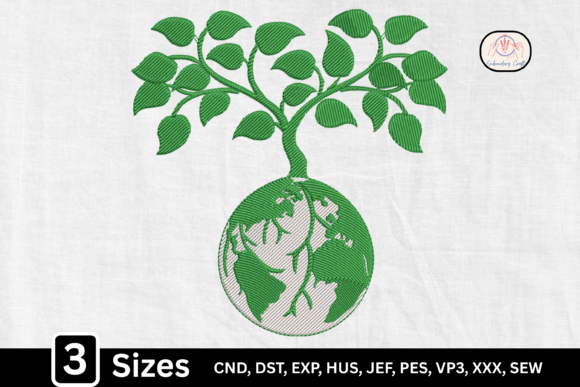
When I’m preparing my product lineup for a weekend craft fair or handmade market, I look for designs that tell a story at a glance. The Eco Friendly World Earth Tree embroidery design is one of those rare finds that feels instantly meaningful. From a professional embroidery designer’s perspective, this isn’t just a pattern—it’s a product concept waiting to be realized.
First Impression: Modern, Meaningful & Premium
My first thought when reviewing this design is its modern yet timeless appeal. The combination of a leafy tree with the earth speaks directly to current trends in sustainability and mindful living. It doesn’t lean toward farmhouse rustic or overly cute; it lands in a sweet spot of sophisticated decorative design. This gives it a premium feel, which is perfect for customers browsing handmade goods who are looking for something special, not just generic.
This mood means it can elevate a simple product. An embroidered tea towel with this design looks like a thoughtful kitchen gift. A pillow cover with it becomes a statement piece for a living room. The messaging around celebration, nature, and growth is inherent in the imagery, making it an easy sell without needing much explanation at the booth.
Product Performance: Where This Earth Tree Stands Out
Let’s walk through the craft fair table. You’ll have totes, aprons, towels, caps, and small giftables. Where does the Earth Tree shine?
- Tote Bags & Market Bags: This is a standout focal point. The design’s theme aligns perfectly with reusable, eco-conscious bags. It should be placed centrally for maximum impact.
- Aprons & Tea Towels: For kitchen textiles, the natural theme is a natural fit. It feels more decorative than humorous, making it suitable for a gift-focused customer.
- Pillow Covers: A fantastic application. This design transforms a simple pillow into a handmade home décor item with a clear, sellable story.
- Embroidered Patches & Caps: Careful evaluation is needed here. The design likely contains fine details (the tree leaves, the earth sphere). At a very small size on a curved cap surface, some clarity might be lost. It may work best as a larger patch applied to a bag or jacket.
- Small Pouches & Giftable Items: Excellent. It adds value and a sense of purpose to a simple fabric pouch, making it feel like a premium, handmade product.
The key is understanding its scale. I suspect this machine embroidery design works best as a medium to large focal element, not a tiny accent. This dictates your product choices and hoop size planning.
Practical Production & Selling Points
Turning a digital embroidery file into a profitable craft fair product requires a practical eye.
Visual Clarity & Batch Production
This design seems to have good visual clarity at a glance—the earth and tree concept is universally understood. That’s a huge advantage in a busy market setting. For batch production, the repeatable, symmetrical nature of the design (assuming a central tree) is a plus. You can efficiently produce multiple tea towels or tote bags without each one feeling wildly unique, maintaining brand consistency for your small shop.
Photography for your Etsy listings or printable mockups will be straightforward. The clear, symbolic imagery photographs well, and the “eco-friendly” theme is highly searchable online.
Careful Use Notes for the Embroidery Designer
Here are the real-world considerations before you stitch:
- Stitch Density & Fabric: “Leafy green tree” suggests potentially dense stitch areas. On textured towels or thick fabric like canvas for totes, you must use the correct stabilizer to prevent puckering.
- Small Sizing & Details: If you intend to miniaturize it for a cap or small patch, test first on scrap fabric. Tiny lettering or intricate leaf details may become blurry.
- Thread Contrast & Color: The description highlights green, but contrast is key on dark fabrics. You might need to adjust thread colors or use a light fabric base for the design to pop.
- Hoop Size & Stabilizer: Confirm the required hoop size from your embroidery file before committing to products. A large design needs a large hoop, which influences what items you can physically embroider.
Always create at least one real physical mockup. Stitch it on the actual fabric you plan to sell—a scrap of the apron twill or the tote bag canvas. Compare how it looks on different fabric colors. This step reveals production hiccups before you invest in bulk materials.
The Booth Impact: Driving Customer Engagement
In your craft fair booth, the Earth Tree does more than decorate a product; it creates a thematic anchor. Displaying a coordinated collection—totes, towels, and pillows all featuring this design—builds a strong, professional display that tells a cohesive brand story of sustainability and quality.
This consistency enhances perceived handmade quality and product value. Customers notice repetition and theme, which builds trust. They might buy the tote and the towel as a set, increasing your average sale.
Finally, a critical note for all commercial embroidery: confirm the commercial licensing terms of your digital embroidery file before selling any finished products. This is a fundamental step for any serious Etsy seller or boutique maker.
Final Designer Advice
The Eco Friendly World Earth Tree embroidery design has significant potential for craft fair success. Its meaningful theme taps into a desirable market, and its aesthetic lends itself to premium handmade products. Focus on applications where its details can shine—like tote bags and pillow covers—and always prioritize testing on your actual production materials. With careful production planning, this design can become a reliable, engaging cornerstone of your market booth and your embroidery business.