I Love My Student: A Design Review for Makers
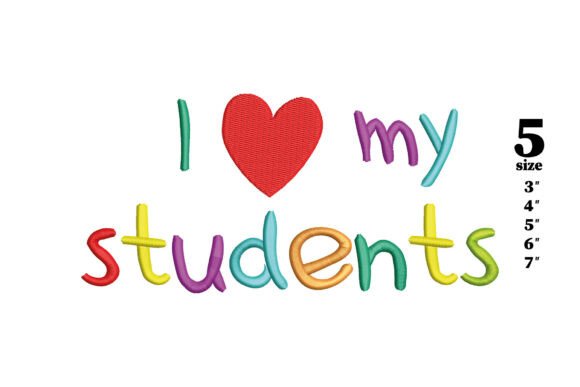
When I first opened this file, my immediate thought was, “This is cheerful.” The simple, clear statement—I Love My Student—set within a playful, classic school-themed frame, creates an instant mood of warmth and appreciation. It’s not overly intricate or fussy, which gives it a versatile personality. It feels like a design that belongs on items meant to be given, worn, or displayed with genuine affection.
The Kind of Project This Design Naturally Calls For
I’m picturing a real scenario: a client asks for a custom gift for a favorite teacher. The request is for a durable, everyday tote bag the teacher can use all year. This is exactly where I Love My Student shines. Its straightforward theme and balanced layout mean it won’t overpower the bag’s surface, but it will become the focal point. The design’s inherent “giftability” is its strongest asset. It’s perfect for that niche of personalized products—teacher gifts, celebratory items for tutors, or even keepsakes for parents to commemorate a special school year.
Beyond tote bags, this embroidery design has a natural fit on pillow covers for a teacher’s lounge décor, on the corner of a cozy blanket, or as a sweet addition to a kitchen towel for a classroom volunteer. For small business owners and Etsy sellers, it’s a ready-made design asset for holiday gift seasons, back-to-school promotions, or year-round appreciation merchandise.
Where Its Visual Appeal Translates into Product Value
On a finished product, the clarity of the message is what customers will connect with. When stitched well, this design won’t have ambiguous details; the sentiment is front and center. This builds trust in a handmade product because the intent is unmistakable. For a crafter or apparel decorator, that means the finished item feels professional and purposeful, not just decorative. It enhances brand consistency for a shop specializing in school or gratitude-themed goods.
Imagine this on a high-quality sweatshirt. The design’s likely use of clean satin stitches for the lettering and fill stitches for the decorative elements would result in a textured, tactile finish that buyers love. It turns a plain garment into a narrative piece. For baby items, like a small blanket or bib for a teacher’s new baby, it becomes a uniquely thoughtful gift. The design’s friendly tone makes it highly engaging for the end recipient.
Practical Performance on Real Fabrics and Products
In real-life embroidery situations, this design’s “fun and easy to stitch” description suggests a manageable stitch density. That’s good news for projects on varied fabrics. On a sturdy tote bag or canvas apron, it should stitch out cleanly without puckering if paired with appropriate stabilizer. On a cotton pillow cover, it will look crisp and integrated into the home décor.
However, its application needs careful consideration on certain surfaces. The potential for small lettering and decorative accents means you should be cautious on very stretchy fabrics like thin t-shirts, or on highly textured fabrics like some sweatshirt materials, without robust stabilization. Also, on curved surfaces like caps, the design’s layout should be checked in a mockup to ensure the elements don’t distort at the seams.
For dark fabric backgrounds, thread color contrast is paramount. A test on scrap fabric is essential to see if the intended color palette pops sufficiently. This is not a design you want to stitch in low-contrast threads; its impact depends on clear visibility.
Careful Uses and Designer Notes for Best Results
Here’s where my practical judgment comes in. Always test this machine embroidery design on a scrap of your project fabric first. This lets you review the stitch density for that specific material and inspect any small details. Check the required hoop size; while the description doesn’t specify, ensure your target hoop can accommodate the design without forcing you to compromise on placement for your final product.
Before running the embroidery file, examine it in a software preview. Look at the stitch types—are there dense fill stitch areas that might need a lighter bobbin thread or additional stabilizer on thin fabric? For products that need frequent washing, like baby clothes or kitchen towels, a secure stitch structure is key. A well-stitched design with proper techniques will hold up.
Another critical step: create simple black and white mockups, or compare how it would look on both light and dark fabric backgrounds. This helps visualize the final product for your online shop listing or printable mockup, crucial for digital product sellers and creative entrepreneurs selling the finished item.
Turning the Design into a Successful Commercial or Personal Project
For commercial embroidery and craft business applications, this design’s theme has clear market appeal. It’s an excellent choice for small shop merchandise, craft fair products, or boutique branding for shops focused on educational themes. As an embroidered patch, it could be applied to various items, adding versatility.
A final, essential note: confirm the licensing terms for this digital embroidery file before selling any finished items or using it in client projects. The description doesn’t specify, so you must verify whether it’s licensed for personal use only or commercial use as well. This protects your business and respects the designer’s rights.
In summary, I Love My Student is a design that feels both sincere and strategically useful. Its value lies in its straightforward emotional connection, which, when embroidered with care on a well-chosen product, results in a finished piece that looks professional, feels heartfelt, and meets a real need in the market for personalized, appreciation-focused gifts. It’s a solid design asset for any maker looking to add a touch of genuine warmth to their work.