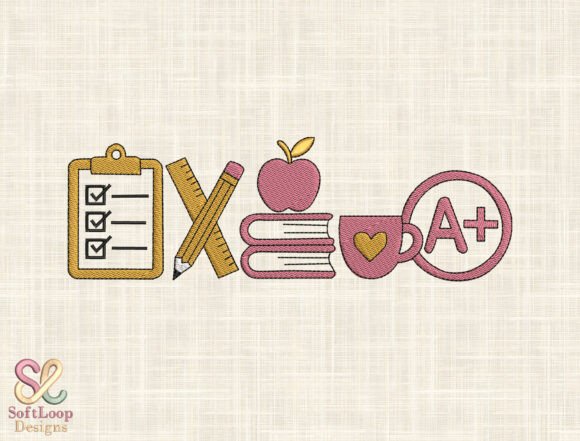
A Cozy, Iconic Design for Teacher Gifts
From the craft fair booth to the online shop, finding designs that connect instantly with customers is the key. Today, I’m reviewing the Teacher Appreciation Embroidery File as if I’m preparing my inventory for a weekend market. My focus is purely practical: will this embroidery file sell, look great stitched out, and be efficient to produce?
First Impressions: Warm, Recognizable, and Full of Heart
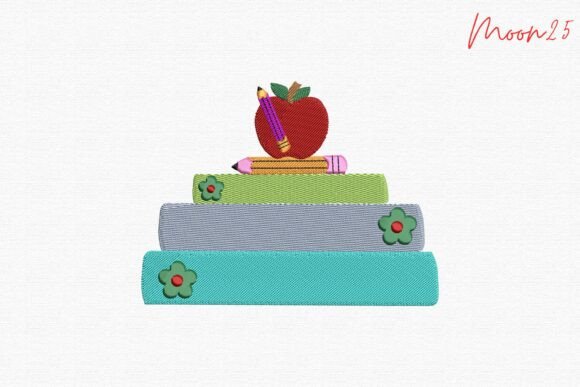
The description tells us this is a "vibrant and cozy" design built around iconic symbols. That immediately sets a mood. It’s not minimalist or overly elegant; it’s cheerful, warm, and deeply sentimental. For a craft fair product, this is a powerful starting point. Customers browsing a booth aren’t analyzing; they’re feeling. A design that evokes nostalgia and appreciation—with clear icons like the apple, pencil, and heart—will grab attention from educators, parents, and students alike. It feels handmade, giftable, and perfectly suited for the School category.
Where This Design Will Stand Out on the Booth Table
When planning my display, I imagine where this Teacher Appreciation Embroidery File would shine. The cozy, cheerful vibe makes it ideal for home and personal items.
Tote bags and market bags are a prime canvas. The icons are bold enough to be a focal point on a bag’s front panel. A teacher carrying a "Teacher Life" bag is a walking advertisement at school.
Aprons and kitchen towels transform this into a functional, heartfelt gift. Stitched on a crisp tea towel or a durable apron, it becomes a kitchen staple for a teacher who loves to bake or cook.
Pillow covers offer a softer, home-decor option. The design would need to be sized appropriately, but the cozy description suggests it would work beautifully on a throw pillow for a reading nook or classroom.
Embroidered patches are a versatile product. They can be sold as standalone items for jackets or backpacks, or applied to other products I make. Patches are quick to produce in batches.
Small pouches and caps present a challenge due to scale. The success here depends entirely on the design’s detail level. If the icons and lettering are too intricate, they might lose clarity on a curved cap surface or a small pouch. This requires a test stitch.
Practical Production: From Digital File to Finished Product
As an embroidery business owner, the transition from file to physical product is where profits are made or lost. Here’s my real-world checklist for the Teacher Appreciation Embroidery File.
Always start with a test on scrap fabric. Use the same material you plan to sell on—cotton for tote bags, linen for towels, twill for caps. This reveals everything. Check for stitch density in icon areas; too dense can pucker thicker fabrics. Look at tiny details and small lettering; will "Teacher Life" read clearly on a dark fabric? You must verify thread contrast.
Confirm the hoop size requirement. The description doesn’t specify, so I must check the file details. This dictates my product size. A design needing a large hoop might only be economical for pillow covers or large tote bags. A smaller hoop size allows for quicker batch production on items like patches and pouches.
Stabilizer choice is critical. For textured towels or stiff caps, I’ll need a heavier stabilizer to prevent distortion. For smooth cotton totes, a lighter cut-away might suffice. The test stitch informs this.
Batch production viability: Does the design stitch out cleanly and quickly? Are the thread color changes logical and minimal? A design that takes 45 minutes per item isn’t viable for a craft fair where I need volume. I’m looking for a balance of visual impact and production speed.
The Unseen Factor: Photography and Online Sales
For my Etsy listings and printable mockups, how does this embroidery file photograph? The "vibrant" colors should pop online, which is great. I would create at least one real, physical mockup—a tote bag or towel—to photograph. Real photos show the handmade quality and texture far better than digital mockups. The iconic symbols make the design easy to understand at a glance in a thumbnail image, which boosts click-through rates for digital sellers.
For commercial embroidery and small shop products, I must also confirm the licensing terms of the digital embroidery file. The description doesn’t mention licensing, so I absolutely need to verify that I have the rights to sell finished products before I stitch anything for my booth.
Final Booth Strategy: Maximizing Customer Engagement
At the craft fair, this Teacher Appreciation Embroidery File affects my booth in several ways.
Visual Appeal & Attention: Products made with this design should be grouped together. A cluster of "Teacher Life" items creates a themed section that draws in a specific customer—the gift buyer. It tells a story.
Product Value & Quality: On a well-made tote bag with clean stitching, this design elevates the item from generic to specialty. It justifies a higher price point because it’s uniquely tailored to a beloved profession.
Brand Consistency: If my brand is about heartfelt, everyday celebrations, this design fits perfectly. It strengthens my booth’s message.
Buyer Engagement: It’s a conversation starter. I can imagine a customer pointing at the apple icon and sharing a story about their favorite teacher. That emotional connection is what sells handmade products.
Careful-Use Notes for the Craft Fair Crafter
- Scale is everything. Test the design at a smaller size if you intend to use it on caps or pouches. Small lettering can become a blurred line of stitches.
- Fabric color matters. The vibrant colors described may need a white or light background to truly pop. On dark fabric, you might need to swap thread colors for better contrast.
- Dense stitch areas (like a filled apple icon) can be stiff on soft items like pillow covers. Consider a lighter fill stitch or a larger design size to distribute the density.
- Texture challenges: On a looped terry tea towel, details can get lost. A simpler, bold outline might be better, but this depends on the actual file’s construction.
In summary, the Teacher Appreciation Embroidery File, based on its description, has strong potential for craft fair and handmade market products. Its emotional resonance and clear iconography are its greatest selling features. My job as an embroidery designer is to translate that potential into tangible products by testing rigorously, choosing the right applications—like tote bags, aprons, and patches—and ensuring every stitched item reflects the quality and heart that the design promises. That’s how you turn a digital embroidery file into a booth favorite.